Safety, Wellbeing & Law
Looking after a rescue dog comes with a few things you might not have thought about yet, from what they might come into contact with on walks, to legal requirements and travel paperwork. This page pulls together the important health and safety information so you’ve got everything in one place when you need it.
Tick Season: What Every Dog Owner Needs to Know
Tick season in Scotland usually peaks during the warmer months March to October , but ticks can be active at any time of year. If your dog enjoys walks in long grass, woodland, or countryside areas, it’s important to know what to look for and how to protect them.
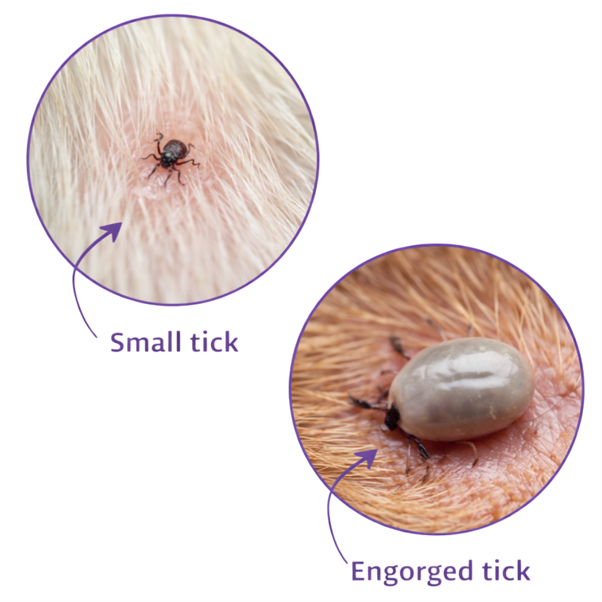
Before feeding, they are very small, dark, and easy to miss. Once attached and feeding, they become larger, swollen, and pale grey or light brown, often resembling a small raised lump

Carefully check common hiding spots such as the ears, neck, under the collar, armpits, groin area, between the toes, and any areas where your dog has thicker or longer fur

Use a proper tick removal tool and gently twist the tick away from the skin without squeezing it. Avoid pulling straight out, as this can leave parts of the tick embedded in the skin

Contact your vet immediately if you are unable to remove the tick safely or if the area becomes red or swollen, or if your dog appears unwell or too uncomfortable after removal
Step-By-Step Tick Removal
How To Remove a Tick
- Part the fur so you can clearly see the tick
- Slide the tick removal tool under the tick, close to the skin
- Gently twist in one direction
- Lift slowly until the tick releases
- Check that the tick has been fully removed
- Dispose of the tick safely
Important
- Do not squeeze the tick
- Do not pull it straight upwards
- Do not use oils or chemicals to remove it
Laws & Responsible Dog Walking in Scotland
Walking your dog in Scotland can be amazing, from beaches and forests to open farmland and hills. To keep everyone safe (people, pets, livestock, and wildlife), it’s important to know the laws that apply when you’re out and about with your dog. Below is a simple guide to help dog owners understand their responsibilities.

Scottish Outdoor Access Code
In Scotland, you have the right to access most land for walking, including with your dog, but you must act responsibly.
The Outdoor Access Code says:
- Keep your dog under close control at all times.
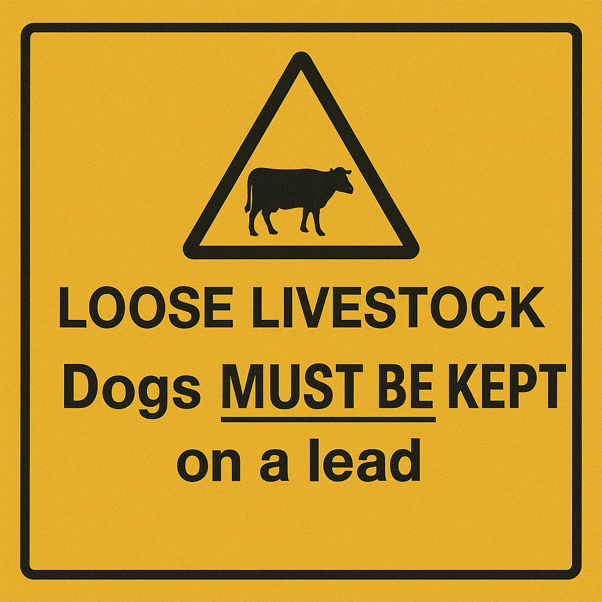
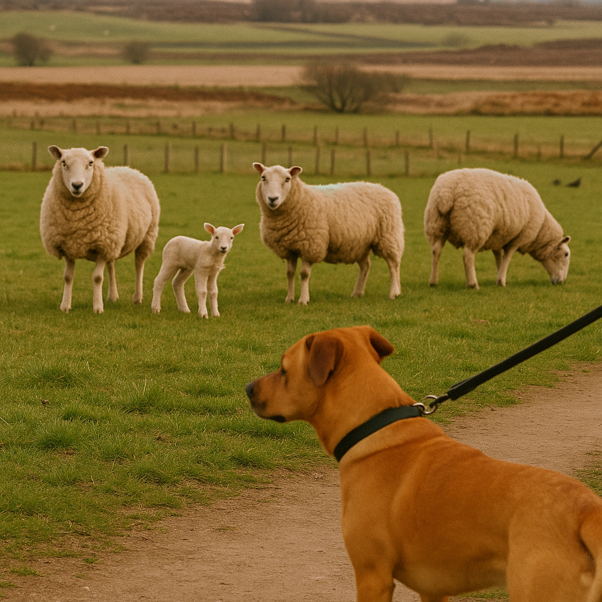
- Use a lead when around livestock.
- Avoid fields with young animals (lambs, calves).
- Never disturb wildlife, especially during nesting and breeding seasons.
- Clean up all dog waste and dispose of it properly.
- Leave gates as you find them and stay on marked paths where possible.
Control of Dogs (Scotland) Act 2010 & Dangerous Dogs Act 1991
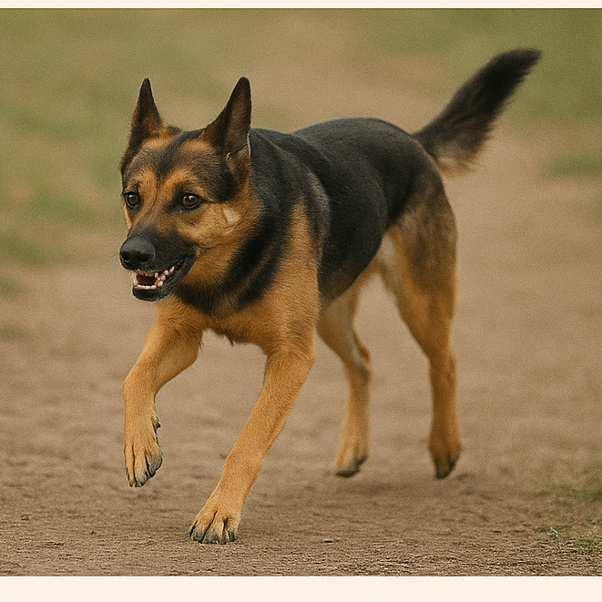
Under the Control of Dogs (Scotland) Act 2010 and the Dangerous Dogs Act 1991, it is an offence for a dog to be “dangerously out of control” in any place, including public spaces and private property.
A dog may be considered out of control if it:
- Causes fear, alarm, or injury to a person or another animal
- Displays aggressive behaviour, even if no injury occurs
- Is not under effective control by its owner
Local authorities can issue Dog Control Notices (DCNs) where concerns are raised. These may require the owner to comply with measures such as:
- Keeping the dog on a lead in public
- Using a muzzle in public spaces
- Attending training or behaviour classes
- Ensuring secure fencing or containment at home
- Neutering the dog
Failure to comply with a DCN is a criminal offence.
Important to note
“Out of control” is not limited to biting or attacking. Behaviour such as persistent lunging, chasing, or sustained aggressive barking can also meet the legal threshold if it causes fear or concern.
Dogs (Protection of Livestock) (Amendment) (Scotland) Act 2021
The Dogs (Protection of Livestock) (Amendment) (Scotland) Act 2021 protects farm animals from being chased, attacked, or distressed by dogs.
Livestock worrying includes situations where a dog:
- Chases or approaches livestock in a way that causes injury or suffering
- Causes stress to animals, which may lead to miscarriage in pregnant livestock
- Triggers panic, causing livestock to injure themselves while trying to escape
- Separates young animals from their mothers, potentially leading to starvation or hypothermia
Livestock includes sheep, cattle, goats, pigs, alpacas, deer, poultry, and enclosed game birds.
Penalties can include:
- Fines of up to £40,000
- Up to 12 months imprisonment
- Dogs being seized by the police
- Owners being banned from keeping dogs

Dog Fouling (Scotland) Act 2003
Dog owners are legally required to clean up and properly dispose of dog waste.
Key points
- Dog waste must always be picked up in public areas
- Waste should be bagged and placed in any public litter bin
- Fixed penalty notices can be issued for failing to clean up after your dog
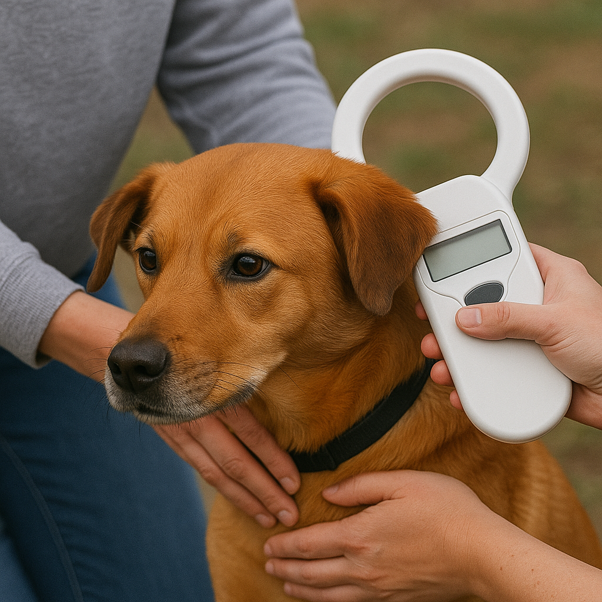
Microchipping of Dogs (Scotland) Regulations 2016
In Scotland, all dogs must be microchipped by the age of 8 weeks. It is also a legal requirement that owner details are kept up to date at all times.
It is an offence to sell, transfer, or rehome a dog that is not microchipped.
Key points
- All dogs must be microchipped by 8 weeks old
- Owner contact details must remain accurate and up to date
- It is illegal to sell or rehome an un-microchipped dog
Why it matters
Microchipping helps ensure lost or injured dogs can be quickly reunited with their owners, improving safety and reducing the time a dog may spend away from home.
Seasonal Considerations
Different times of year bring different risks for dogs in rural and countryside areas. Being aware of these helps protect wildlife, livestock, and your dog.
Lambing Season (February – May)
- Keep dogs on a short lead near farmland
- Avoid entering fields where young animals are present
Ground-Nesting Birds (March – July)
- Keep dogs on a lead in moorland, dunes, and rural grassland areas
- Stick to designated paths in sensitive wildlife habitats
Calving Season & Bulls
Where possible, avoid walking dogs in fields containing:
- Calves
- Cows with young calves
- Bulls
- Any livestock areas with “no dogs” signage

EU Pet Passports
All Romanian dogs rehomed through Thistle Paws Rescue arrive with an official EU Pet Passport issued in their country of origin. This document contains your dog’s identification details and full medical history prior to travel, including vaccinations, parasite treatments, and blood test results.
Important information
EU Pet Passports issued outside of the UK are no longer valid for travel from the UK. This means:
- You cannot use this passport to take your dog abroad from the UK
- It is not a valid travel document once your dog has entered the UK
What is the passport used for?
Although it cannot be used for travel, the EU Pet Passport remains an important record for your dog:
- Proof of identity and microchip
- Full vaccination history, including rabies
- Confirmation that all import requirements have been met
- Official medical record from before arrival in the UK
You should keep this document safe, as your vet may wish to review it when registering your dog.
Travelling abroad with your dog
If you plan to travel outside the UK with your dog in future, you will need an Animal Health Certificate (AHC) from your vet. This replaces the EU Pet Passport for UK-based dogs and must be issued before each trip abroad.