Fun & Enrichment
Enrichment is about more than keeping dogs busy it’s about helping them feel safe, fulfilled, and settled in their world. Many dogs, especially those from rescue backgrounds, benefit enormously from gentle mental stimulation that allows them to explore, think, and relax at their own pace.
Why Enrichment Matters
Dogs have natural behavioural needs that go beyond physical exercise. Activities such as sniffing, chewing, exploring, and problem-solving are essential for supporting emotional regulation, reducing stress, and helping dogs feel settled and secure. For rescue dogs in particular, enrichment plays an important role in the adjustment period.
It can help support decompression in a new home environment, build confidence in a low-pressure way, and reduce stress, frustration, and boredom. It also encourages calmer behaviour indoors and can help prevent unwanted behaviours that arise when a dog’s mental and emotional needs are not being met. Enrichment is not about increasing activity for the sake of it. It is about understanding what your individual dog needs and providing the right outlets to support their wellbeing.
Enrichment by Dog & Situation
Enrichment isn’t one-size-fits-all. Different dogs need different types of mental stimulation depending on their personality, age, health, and where they are in their journey.
For dogs settling into a new home, enrichment should be calm, simple, and completely pressure-free. At this stage, it’s about helping your dog feel safe while gently encouraging natural curiosity.
Helpful activities include:
- Scatter feeding
- Sniffing games
- Licki mats
- Gentle chewing activities
Keep sessions short, predictable, and always allow your dog to disengage whenever they choose.
Some dogs may need time before they feel ready to interact with toys, people, or new environments. If a dog is staying in their crate, avoiding movement, or only emerging when things are quiet, this is a coping response, not stubbornness.
At this stage, enrichment should never require the dog to approach people or leave their safe space.
Gentle, low-pressure enrichment
Scatter feeding at a distance
Food can be scattered just outside the crate or gently rolled nearby, allowing the dog to choose whether to engage. This supports:
- Natural sniffing behaviour
- Choice without pressure
- Confidence building through observation
Even simply watching food appear can be enriching in itself.
Familiar scents
Scent is a powerful comfort tool for nervous dogs. You can help by:
- Using their own bedding
- Placing a worn item of clothing near (not inside) their space
- Keeping scents consistent and predictable
Familiar smells help create stability and reduce stress.
For energetic dogs, mental stimulation is often more effective than additional physical exercise. Giving them “jobs to do” helps channel energy into positive, focused behaviours.
Helpful activities include:
- Puzzle feeders
- Scent trails and nose-work games
- Training games that build focus and engagement
- Tug with clear start/finish cues and calm structure
Always balance active enrichment with calming activities afterwards, such as sniffing, licking, or chewing, to help your dog settle back into a relaxed state.
Puppy enrichment should be safe, simple, and confidence-building. This is a key learning stage, so experiences should be positive, short, and carefully managed.
Helpful activities include:
- Exploring different safe textures (grass, mats, cardboard)
- Scatter feeding and food searches for calm sniffing
- Simple problem-solving games with easy wins
- Short training sessions focused on basic skills and engagement
Always supervise enrichment, keep difficulty low, and end sessions before your puppy becomes tired or overstimulated. Rest and sleep are just as important as play at this stage of development.
Older dogs still benefit greatly from enrichment, just at a gentler pace that suits their comfort and mobility. Enrichment helps keep the mind active, supports emotional wellbeing, and can be easily adapted for changes in hearing, vision, or movement.
Helpful activities include:
- Gentle sniffing games
- Soft chews suitable for older teeth
- Licki mats for calm engagement
- Easy puzzle toys with low physical demand
Let your dog guide the pace and prioritise comfort over challenge. Short, enjoyable sessions are far more beneficial than longer or more demanding activities. Always watch for signs of fatigue and adjust as needed.
When physical exercise is limited due to injury, surgery, age, or medical needs, enrichment becomes especially important for wellbeing.
The focus should shift to calm, low-impact mental stimulation that can be easily adjusted to suit your dog’s comfort level.
Helpful activities include:
- Food puzzles for gentle problem-solving
- Sniffing games around the home
- Licki mats for soothing, repetitive activity
- Simple trick training focused on thinking, not movement
Short, frequent sessions work best, allowing your dog to stay engaged without becoming tired or uncomfortable. Always follow veterinary guidance during recovery and adjust activities based on your dog’s individual needs.
No Equipment Needed Training & Enrichment Games
You don’t need toys, specialist equipment, or training tools to help your dog learn and engage. Many effective enrichment and training games use nothing more than food, space, and your dog’s natural curiosity. These games are easy to adapt, can be done indoors, and are suitable for a wide range of dogs when introduced gently.
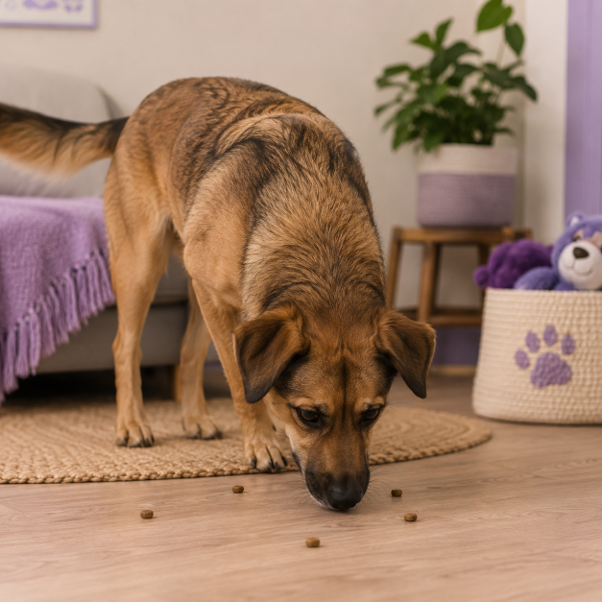
Find It
Scatter a few treats or pieces of kibble on the floor and say “find it.” Once your dog understands the game, you can hide food around one room or under everyday items they’re comfortable with.
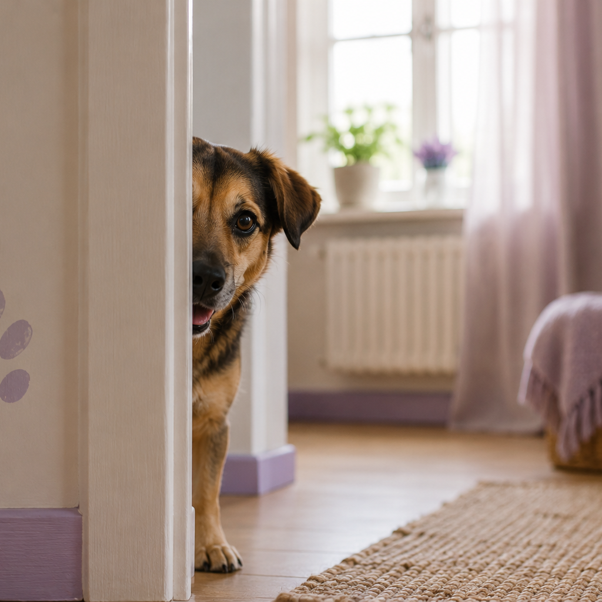
Hide & Seek
A Hide somewhere easy in the house and call your dog once. Reward calmly when they find you. Start simple and only make it harder if your dog enjoys the game.
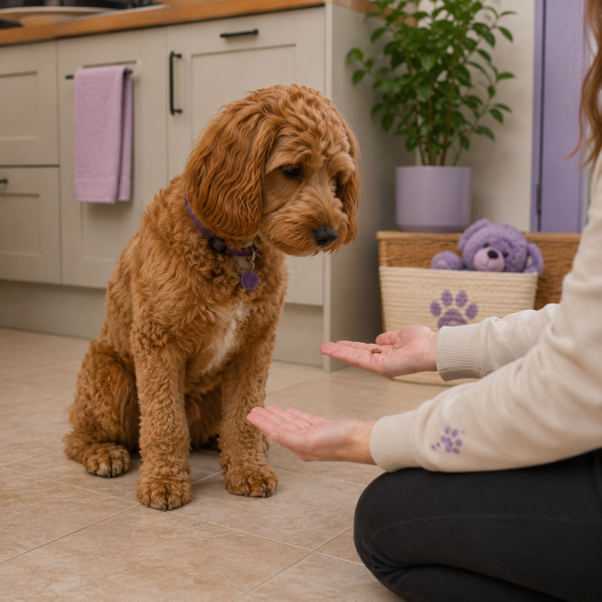
“Which Hand?”
Hide a treat in one hand, offer both hands, and let your dog choose. Reward calmly and keep the game relaxed and pressure free.
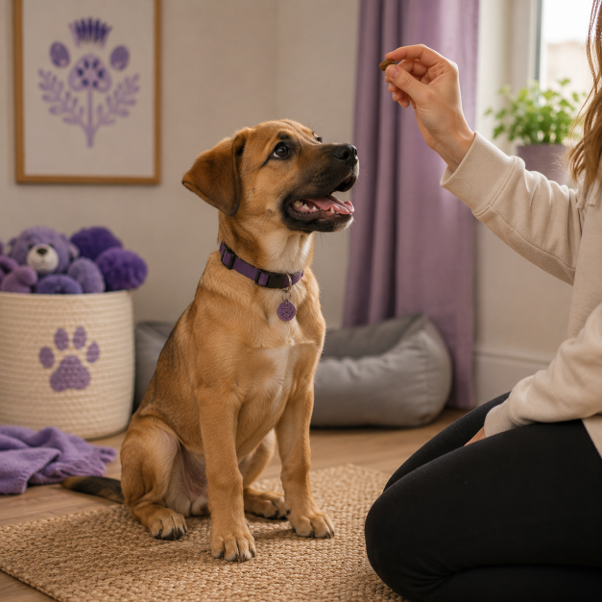
Name Game
Ideal for puppies and newly adopted dogs. Say your dog’s name once in a friendly tone. When they look at you, reward. This helps teach that their name always leads to something positive
Games Children Can Do With Dogs
(Always with adult supervision)
Children can play an important role in a dog’s life when interaction is calm, gentle, and supervised. Many dogs enjoy predictable games that build trust and positive experiences.
Safe, simple activities:
- Gentle roll or throw – roll a toy along the floor instead of throwing it overhead
- Trick time – teach simple cues like “sit”, “touch”, or “spin” using small treats
- Hide-and-sniff – children hide treats while the dog waits nearby (or in another room if appropriate)
Important reminders:
- Never climb on or hug dogs tightly
- Never take toys or food directly from a dog
- Always supervise all interactions
- Keep games calm, kind, and low pressure
Play doesn’t always come naturally to rescue dogs, especially if they haven’t had much experience with it before, but it’s something they can absolutely learn with time, patience, and gentle encouragement. Think of it as an invitation rather than instruction, starting small with short 1–3 minute sessions using soft toys and a calm, relaxed voice, and focus on the little wins like looking, sniffing, or stepping closer. Let your dog take the lead and always give them the choice to walk away whenever they need to.
As play develops, keeping things safe and positive is key, so stay close to supervise, remove any hazards like string, tape, elastic or plastic, and choose toys and chews suited to your dog’s size and chewing style. Most importantly, learn to recognise when your dog needs a break, turning away, yawning, lip licking, freezing, growling, or hiding are all signs it’s time to pause. Play should always feel light, safe, and enjoyable, ending with your dog feeling relaxed and confident rather than overwhelmed.